
Creating a Minimum Viable Product (MVP) is a crucial step for startups looking to launch a new application. It allows you to test your idea with minimal resources while gathering insights and feedback from real users. This guide will walk you through the essential steps to crafting a successful MVP application.
1. Understanding the Core Problem
Before you start building, it’s important to identify and understand the core problem your application will solve. This step involves researching market needs, listening to potential users, and defining the primary pain points to address. Diving deep into what your audience truly requires can help you build not just a product, but a solution that resonates. Sometimes, the problem is not immediately apparent and requires tapping into different perspectives. Engaging with a diverse group of potential users could reveal unexpected patterns and insights. Additionally, explore current trends and technologies to ensure your MVP remains relevant in a constantly evolving landscape.
While understanding the core problem, remember to document your findings using concise reports and visual aids like infographics, which can be beneficial when explaining your vision to stakeholders and team members. The goal at this stage is to align everyone involved around a shared understanding of the problem. This common understanding is foundational as it informs every decision you make moving forward. A well-defined problem statement acts as a compass, guiding the development process and preventing scope creep – that common pitfall where projects gradually expand beyond their original parameters.
2. Defining Key Features
Focus on the essential features that will solve the problem you’ve identified. Avoid overcomplicating things at this stage—keep it simple and prioritize features that deliver the most value to early adopters. Start by mapping out each feature and assessing its potential impact. Ask yourself questions such as: ‘Does this feature address the core problem?’, ‘How can this feature enhance user experience?’, and ‘Is this feature necessary for the MVP, or can it wait for a later version?’ This analysis helps in prioritizing your feature list effectively.
Another critical aspect is considering the scalability and maintainability of each feature. Remember, your MVP app development is not about everything being perfect from day one; it’s about crafting a robust foundation. Features should be easy to expand upon in subsequent versions. Moreover, collaborate with your development team to ensure that the features align with your technical capabilities and resources. Adopting frameworks and tools that complement rapid iteration can streamline the entire process, reducing time and effort spent on back-end complexities.
3. Creating a User-Centric Design
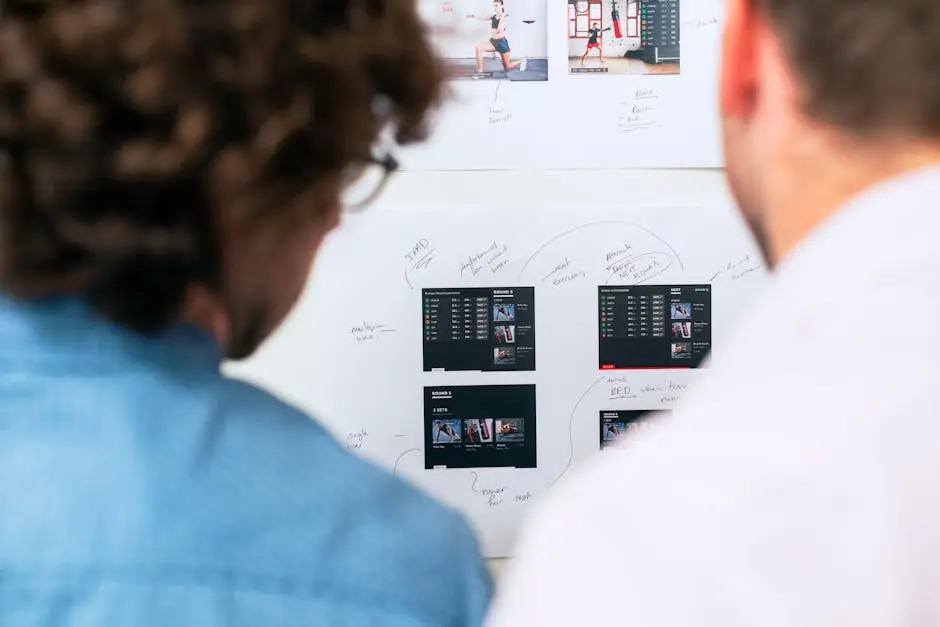
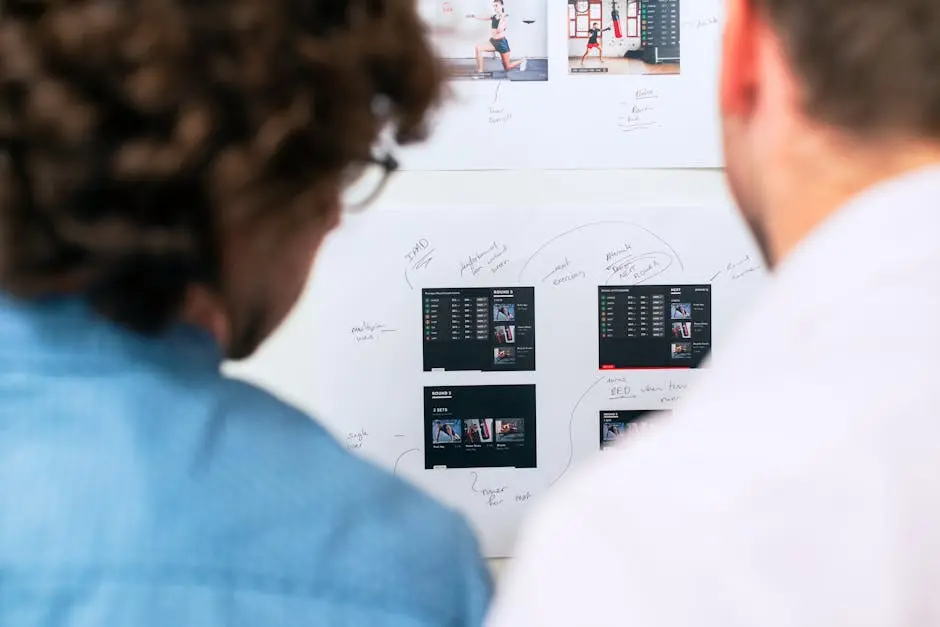
A user-friendly design is critical for engagement. Plan out intuitive user flows and design wireframes that offer a seamless experience. Remember, the aim is to provide a clean and straightforward user journey. Involve your users early during this phase by using mock-ups and get real-time feedback. Design is not just about aesthetics but functionality too, and as such, always prioritize accessibility and ease of use. This will not only ensure user satisfaction but also increase adoption rates.
Incorporating best UI/UX practices can significantly enhance the appeal and usability of your MVP application. Pay attention to the placement of buttons, the color scheme which impacts mood, and how navigates through the app. Make the interface as intuitive as possible, reducing friction and fostering an experience users will want to return to. Frequent testing and adjustment based on user feedback is essential for optimizing design decisions over time. Strive for a balance between innovation and familiarity, ensuring users are intrigued but not overwhelmed.
4. Building a Prototype
Start small by developing a prototype that embodies your MVP’s core features. This should be a usable model of your application that stakeholders can interact with and that demonstrates the primary features effectively. Prototyping acts as a risk-free playground to explore ideas and solutions that you were not initially sure about executing. This stage involves frequent iteration, where raw ideas are transformed into tangible, testable components. Utilize prototyping tools to create low-fidelity versions before committing substantial resources to their development.
The practical advantage of a prototype is it helps in identifying design and usability flaws early when they’re cheaper and easier to correct. A key benefit of prototyping is that it provides clarity for your development team, establishing a shared understanding of what needs to be built. Additionally, a well-crafted prototype serves as an excellent communication tool for stakeholder presentations and internal reviews, aiding in securing buy-in and aligning project goals. Don’t be afraid to fail during prototyping; it’s a creative process meant to trial and error your way to the most robust, user-centric path forward.
5. Testing and Gathering Feedback
Release your MVP to a small group of users to test its functionality and gather feedback. Analyze how they interact with your product and what obstacles they encounter, collecting valuable insights for improvements. Consider employing A/B testing to determine which variants of certain features work best, gathering quantifiable data that can inform your next steps. Encourage users to provide honest feedback, rewarding them for their time if necessary. Feedback is invaluable; it highlights the difference between how your MVP was intended to work and how it actually performs.
While assessing user interaction, consider both qualitative and quantitative feedback to form a comprehensive understanding of your application’s performance. Track data metrics like user engagement, retention rates, and conversion rates along with anecdotal feedback to paint a full picture of user experience. This dual approach ensures you’re not only seeing statistical trends but also understanding the subtle nuances that numbers alone can’t convey. Strike a balance between pivoting around feedback and maintaining your project vision. Not all suggestions will align with your core objectives, requiring discernment and strategic compromise.
6. Iterating Based on Feedback
Use the feedback received to make necessary adjustments and refine your application. This iterative cycle helps in improving your MVP, ensuring it better fulfills user needs and preferences over time. Each pass through iteration should bring your application closer to the final product, enhancing its features and functionality. Critical to this process is maintaining an adaptable mindset, ready to pivot based on new data insights. Systematically track all suggestions and changes made, evaluating the impact of each iteration on user satisfaction and product stability.
It’s important to integrate a strong feedback loop within your organization, promoting a culture of continuous improvement and open communication. Regularly review iteration outcomes with your development team, identifying successes and areas in need of further refinement. This collaborative approach ensures that everyone has a shared understanding of current objectives and is aligned in pursuing the product’s evolution. Iterative development isn’t just about responding to user feedback; it’s about anticipating future needs and staying ahead of market trends, thereby enhancing the product’s relevance and competitive edge.
7. Preparing for Full-Scale Development
Once you have iterated your MVP, it’s time to plan for scaling up. Use the insights gathered during testing to inform the development of your full application, keeping user preferences and feedback in mind throughout the process. Begin by reassessing your development roadmap, ensuring it aligns with any newly discovered user expectations and industry standards. Set realistic yet ambitious timelines for MVP conversion to the full product, allocating resources strategically to meet growth demands effectively.
Being prepared for full-scale development also means understanding scalable architecture that accommodates growth, both in terms of user numbers and functionality. Plan for seamless integration of additional features and modules without compromising performance. Collaboration is key during this phase whether it’s internally or with external partners. Engage stakeholders frequently to update them on progress and obtain buy-in for necessary pivots. The key is to maintain strategic flexibility; allow the product to evolve naturally while anchoring it with insights gathered through the reserved effort of MVP testing.